Buy 90%, 40%, and 35% Junk Silver Coins Online
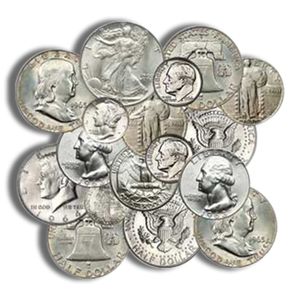
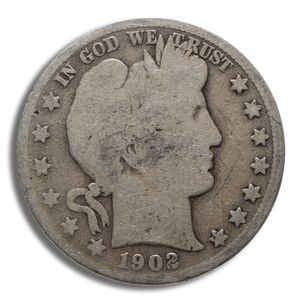
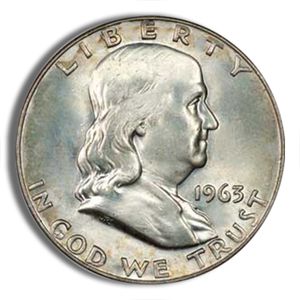
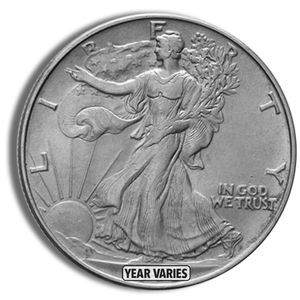
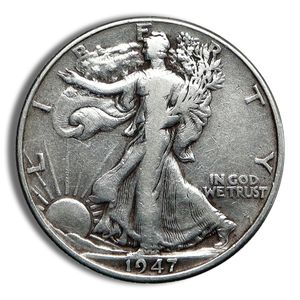
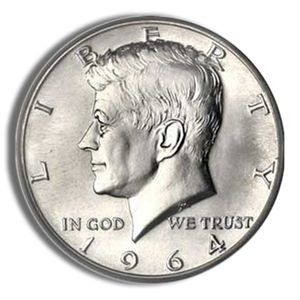
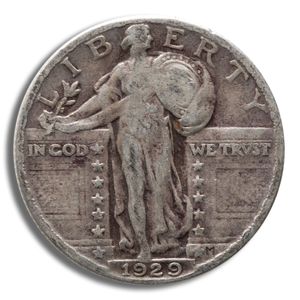
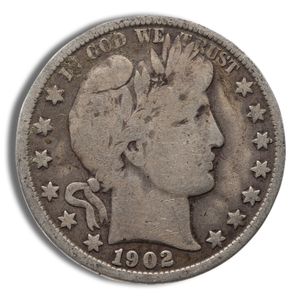
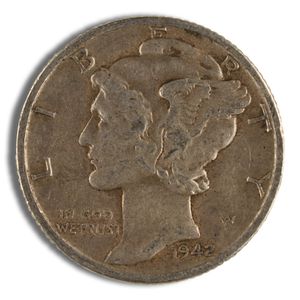
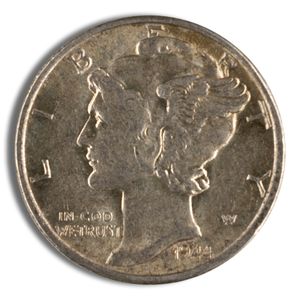
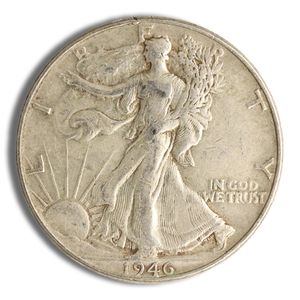
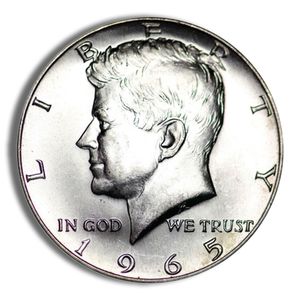
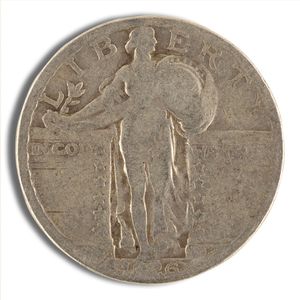
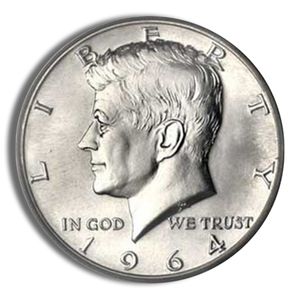
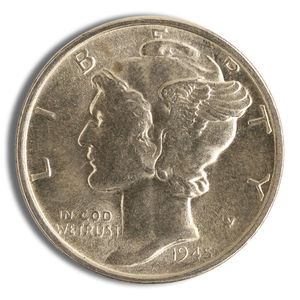
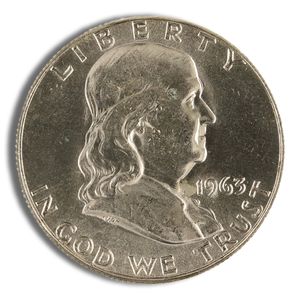
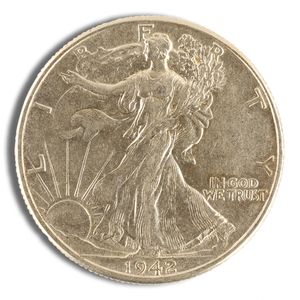
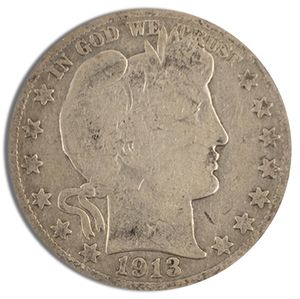
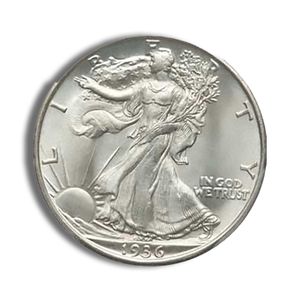
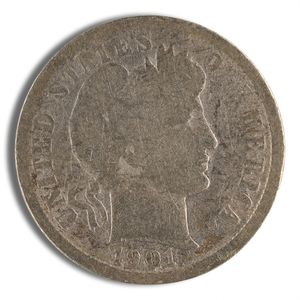
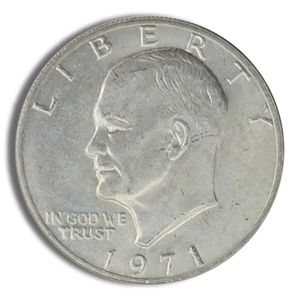
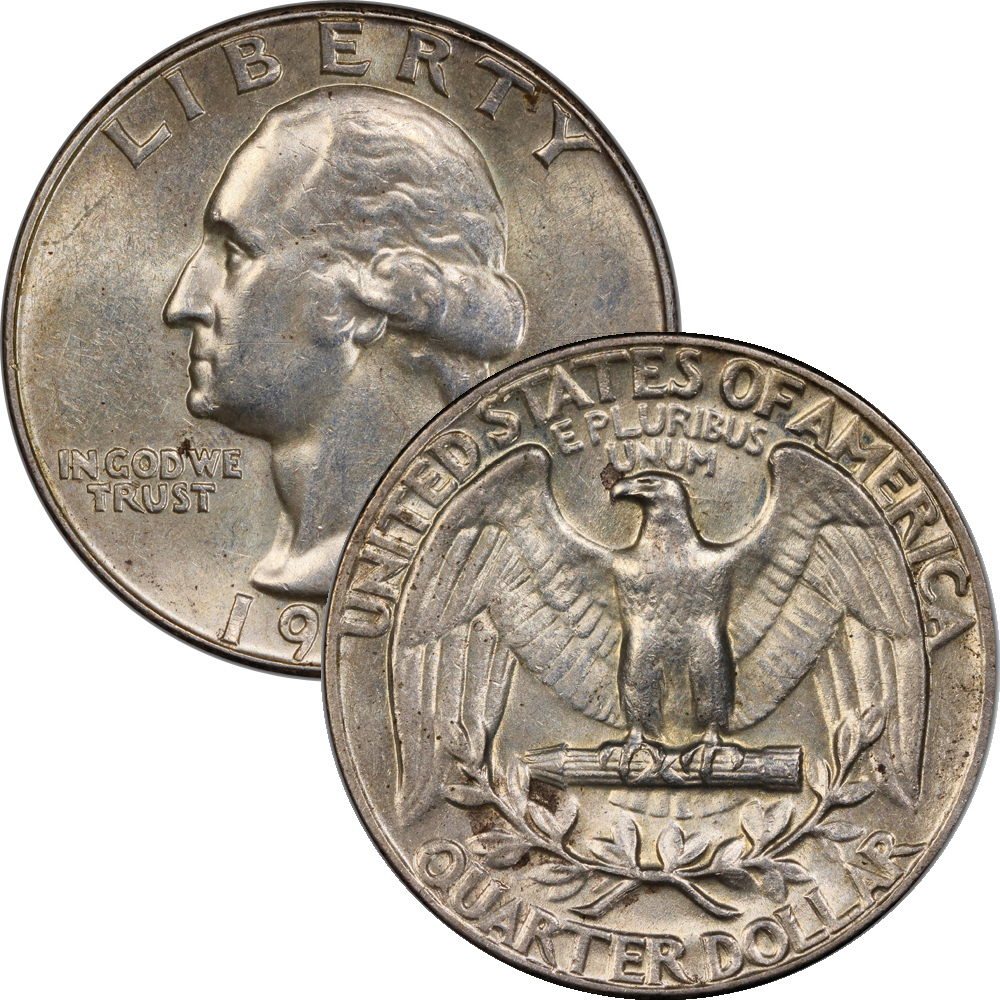
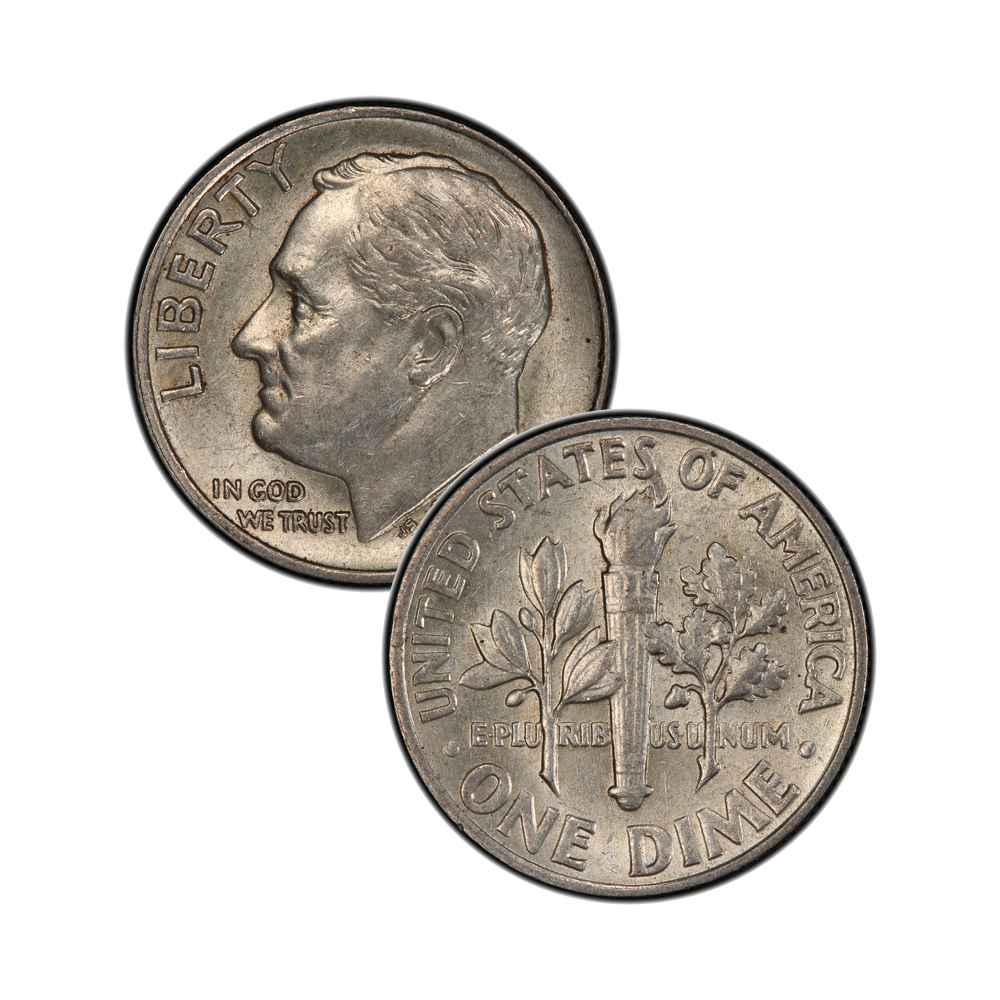
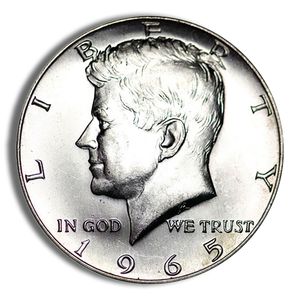
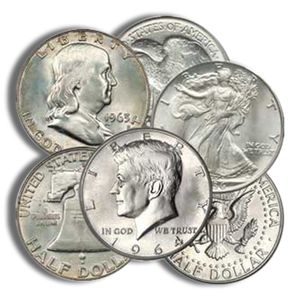
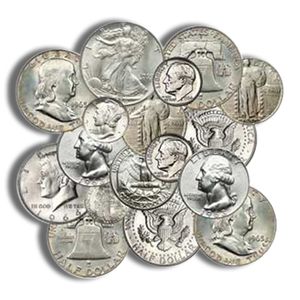
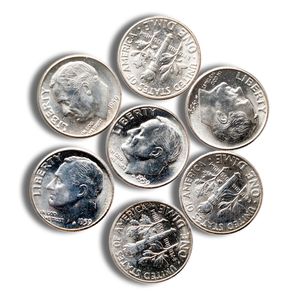
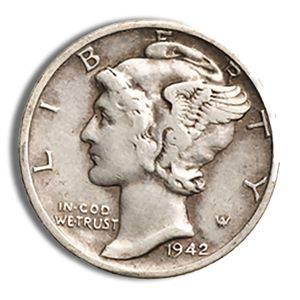
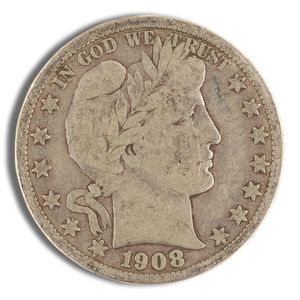
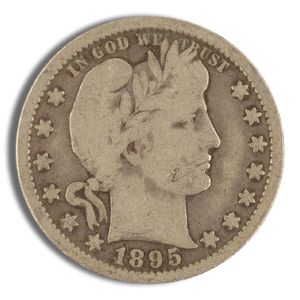
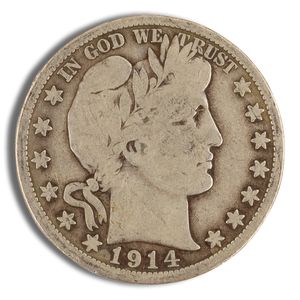
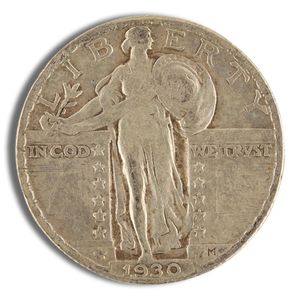
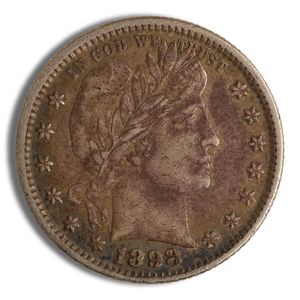
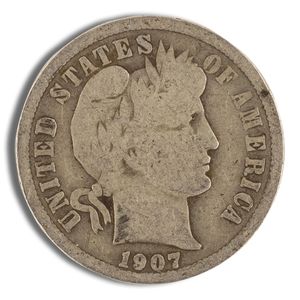
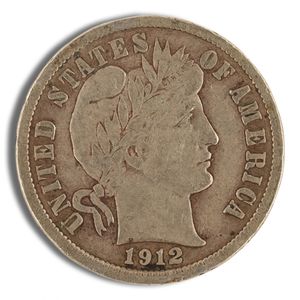
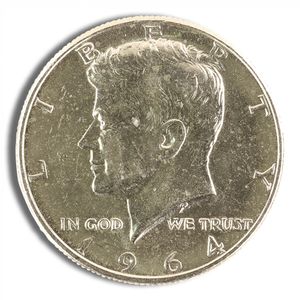
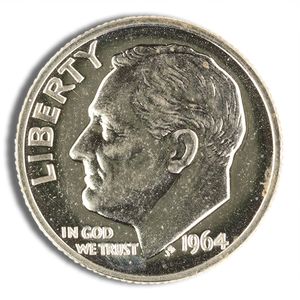
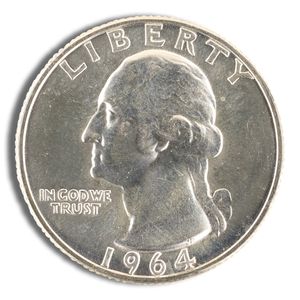
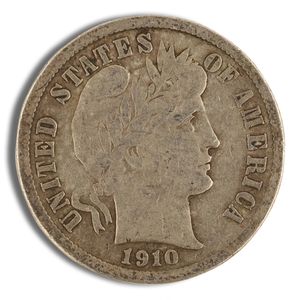
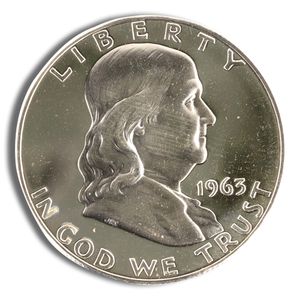
Our catalog covers a wide range of circulated and uncirculated 90%, 40%, and 35% silver coins sourced directly from United States Mint production across multiple decades. You'll find 90% silver Roosevelt dimes, Mercury dimes, Washington quarters, Barber dimes, Barber quarters, Barber half dollars, Standing Liberty quarters, Walking Liberty half dollars, Franklin half dollars, and 1964 Kennedy half dollars, alongside 40% silver Kennedy half dollars from 1965 through 1969 and 40% silver Eisenhower dollars. The 35% silver War nickels from 1942 through 1945 round out the selection, offering one of the most accessible entry points for silver by the coin. Listings span multiple condition grades including cull, average circulated, VF, XF, AU, and BU, so buyers can choose based on their priorities around surface quality, silver content, and price point.
Bullion Standard prices these coins in real time against live silver spot prices, with each product page displaying both the current ask and the current bid so buyers can evaluate the full transaction, not just the purchase price. Lot sizes are denominated by face value at $1 per face value unit, making it straightforward to compare silver content and cost across coin types without doing separate per-coin math.
Whether you're adding circulated 90% silver coins to an existing holding or picking up a specific series like Mercury dimes or Walking Liberty half dollars for their numismatic appeal, the listings here reflect a transparent, market-driven approach to pricing and product disclosure.
What Are 90%, 40%, and 35% Junk Silver Coins?
The term "junk silver" refers to pre-1965 United States coins and certain post-1964 issues that contain a measurable and standardized silver content but carry no meaningful numismatic premium above their melt value. The word "junk" is a trade term rather than a quality judgment. These coins typically circulated widely, so they show wear, but they remain fully identifiable, genuine legal tender issued by the U.S. government with well-documented silver specifications.
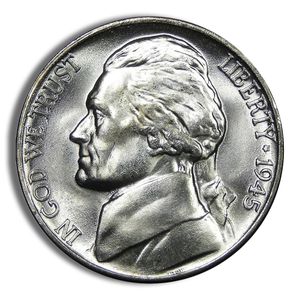
The 90% silver category covers coins produced before 1965 under the Coinage Act of 1792 and its successors, including dimes, quarters, and half dollars. These coins contain 0.715 troy ounces of silver per dollar of face value when averaged across a circulated bag, a figure that's been the standard reference in the junk silver market for decades. The 40% silver coins, issued between 1965 and 1976, include Kennedy half dollars and Eisenhower dollars, containing approximately 0.295 and 0.316 troy ounces per dollar of face value respectively. War nickels, struck from 1942 through 1945, are composed of 35% silver and contain roughly 0.05625 troy ounces each, making them useful for very small unit accumulation.
Buyers are drawn to junk silver because the coins are immediately recognizable, come in small denominations, require no assay for verification, and are priced close to their metal content. They're practical for those who want divisible physical silver without paying the higher premiums associated with government-issued bullion coins or collector pieces.
History and Background
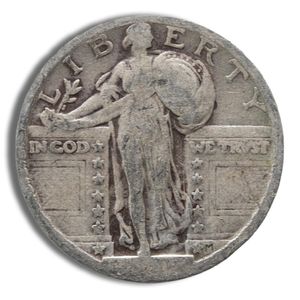
United States silver coinage dates to the Mint Act of 1792, which established the first federal mint in Philadelphia and set silver content standards for the new nation's coinage. The 90% silver alloy, composed of nine parts silver and one part copper for durability, became the foundational standard for American dimes, quarters, and half dollars and remained largely unchanged for over 170 years. Coins like the Barber series (struck from 1892 to 1916), the Mercury dime (1916 to 1945), the Walking Liberty half dollar (1916 to 1947), the Standing Liberty quarter (1916 to 1930), the Franklin half dollar (1948 to 1963), and the Washington quarter (1932 to 1964) all emerged from this unbroken tradition of 90% silver composition.
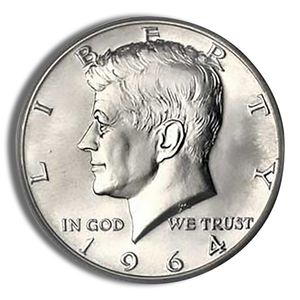
The Coinage Act of 1965 fundamentally changed the landscape. As rising silver prices made silver coinage increasingly expensive to produce, the U.S. government transitioned dimes and quarters to copper-nickel clad composition entirely, while reducing the silver content of half dollars to 40%. The 1964 Kennedy half dollar, struck in 90% silver, became the last widely circulated 90% silver half dollar. Kennedy halves from 1965 through 1969 contain 40% silver, and beginning in 1971, the half dollar was also moved to clad composition. Eisenhower dollars issued in standard circulation were copper-nickel, though collector and proof versions from 1971 through 1976 were struck in 40% silver. Wartime necessity drove the 35% silver War nickel between 1942 and 1945, when nickel was needed for military applications and silver temporarily replaced it as a primary alloy component.
The secondary market for these coins emerged gradually as collectors, dealers, and eventually bullion buyers recognized their silver content as the key driver of value once numismatic premiums faded with heavy circulation. By the 1970s and 1980s, "junk silver bags" containing $1,000 face value in 90% silver coins had become a standard wholesale bullion trading unit, and the market for smaller lots priced by face value developed naturally from there.
Purity, Weight, and Specifications
The 90% silver coins in our catalog contain 0.715 troy ounces of pure silver per dollar of face value in average circulated condition. This figure accounts for slight wear loss over circulation and is the universally accepted standard used by dealers, wholesalers, and the broader market. A single 90% silver dime contains approximately 0.07234 troy ounces, a quarter approximately 0.18084 troy ounces, and a half dollar approximately 0.36169 troy ounces based on original mint weights, with the 0.715 per dollar figure reflecting real-world circulated coin weights across mixed lots.
The 40% silver Kennedy half dollars (1965 to 1969) each weigh 11.5 grams with a silver content of approximately 0.1479 troy ounces per coin, or roughly 0.295 troy ounces per dollar of face value. The 40% silver Eisenhower dollar contains approximately 0.316 troy ounces of silver. War nickels, struck in a 35% silver, 56% copper, and 9% manganese alloy, each contain 0.05626 troy ounces of silver. These coins are identifiable by the large mint mark above Monticello on the reverse, a feature unique to the wartime series.
All products in this section are denominated in face value increments, so buyers are purchasing a specified dollar amount of face value rather than a fixed coin count. Because coin weights vary slightly with wear, the face value denomination is the standard unit of measure in this market. Purity levels are stamped into the historical record rather than onto the coins themselves, and they are verified through well-established metallurgical analysis and decades of market standardization.
Available Brands, Mints, and Product Variations
Every coin in this section was produced by the United States Mint, with production distributed across the Philadelphia, Denver, and San Francisco facilities depending on the year and denomination. Mint marks visible on individual coins (P, D, or S) reflect their origin, and while mint mark varieties matter to collectors, they carry minimal premium differences in the junk silver bullion market unless a coin falls into a specific key date or variety category. Most lots in our catalog are sourced from "various" mint facilities, which is standard for face-value junk silver lots assembled from circulated supply.
The catalog breaks down into specific series rather than generic mixed lots in many cases, giving buyers the option to focus on a particular coin type. Mercury dimes, Roosevelt dimes, Washington quarters, Barber dimes, Barber quarters, Barber half dollars, Standing Liberty quarters, Walking Liberty half dollars, Franklin half dollars, and Kennedy half dollars (both 90% and 40%) are each listed separately. Within each series, condition grades range from cull and average circulated through VF, XF, AU, and BU where applicable. Proof versions of certain coins, including Kennedy half dollars (1964), Roosevelt dimes (1946 to 1964), Washington quarters (1932 to 1964), and Franklin half dollars, are also listed for buyers interested in collector-quality strikes at face-value silver pricing.
The availability of specific series and condition grades reflects current wholesale market sourcing. Barber coins, particularly Barber half dollars in finer grades like VF or XF, are generally harder to source and represent an older generation of American coinage that carries additional numismatic interest beyond pure silver content. War nickels, while low in per-coin silver content, are a unique wartime artifact and are available in average circulated condition for buyers who want exposure to 35% silver at a very small unit size.
Pricing, Premiums, and Market Factors
Junk silver coins are priced as a direct function of the silver spot price, multiplied by the silver content per face value unit. For 90% silver, this means the base value per $1 face value moves in lock step with spot silver using the 0.715 troy ounce standard. The premium paid above this calculated melt value is typically lower than what you'd pay for government-issued bullion coins like American Silver Eagles or Maple Leafs, making junk silver one of the more efficiently priced ways to acquire physical silver by content.
Premiums do vary based on condition, series, and lot size. Circulated, average-condition coins trade close to melt, while BU or AU examples carry a small additional premium reflecting their better surface quality and collector crossover appeal. Rarer series like Barber coins in finer grades carry numismatic premiums that exceed their silver content value, so buyers should evaluate those listings with that distinction in mind. Proof coins, including the BU Proof Kennedy, Roosevelt, and Washington quarter listings, also carry modest condition premiums over standard circulated examples.
Bullion Standard displays both the buy and sell price on each product page, so the bid/ask spread is visible before any purchase decision is made. This transparency is central to how we operate. Because junk silver trades in a broadly liquid wholesale market, spreads on standard 90% silver lots tend to be tighter than on more obscure or numismatic products. Supply availability, coin series scarcity, and current wholesale market conditions all contribute to how premiums shift over time, and our pricing reflects those dynamics in real time rather than applying fixed markups disconnected from market conditions.
Condition, Packaging, and What to Expect
Junk silver coins are circulated coins and should be evaluated with that expectation in mind. "Average circulated" means the coins have seen use and will show varying degrees of surface wear, light scratches, and toning typical of coins that passed through everyday commerce over decades. The silver content is unaffected by surface wear, and these coins are not sold for their eye appeal but for their metal. Cull or impaired examples may include coins with heavy wear, rim damage, cleaning, or other cosmetic issues that bring them below average circulated standards, but their silver content remains intact and verifiable.
Coins graded VF (Very Fine), XF (Extremely Fine), and AU (About Uncirculated) retain sharper detail and more original surface quality. BU (Brilliant Uncirculated) examples have never circulated and show mint luster, making them the cleanest available examples within each series. Proof coins are struck specifically for collector purposes with polished dies and show mirror-like fields with frosted devices. These distinctions are clearly noted in each product listing.
Most lots ship loose or in coin tubes depending on quantity, without assay cards or individual encapsulation, which is standard practice for junk silver sold by face value. Packaging is protective and appropriate for bulk silver coin shipments. Random years within the specified date ranges are standard unless otherwise noted in the listing, meaning you will receive coins from within the documented production years but the specific year mix is not guaranteed. Buyers should expect a representative mix consistent with circulated supply availability.
Authenticity and Verification
90%, 40%, and 35% junk silver coins are among the most straightforward precious metals products to authenticate because they were produced by the United States Mint under strict federal standards, are documented in numismatic literature, and have well-established physical and metallurgical characteristics that counterfeit attempts struggle to replicate accurately. The coins' weight, diameter, reeding, and composition follow published mint specifications that have remained consistent across production years, making basic verification accessible with standard collector tools.
Bullion Standard sources junk silver through established wholesale bullion channels where coin authenticity is a prerequisite for any transaction. Our team verifies incoming product before it enters inventory, including weight checks and physical inspection consistent with industry practice for circulated U.S. coinage. Buyers who want additional assurance can weigh individual coins against published mint weight specifications or use a basic precious metals testing solution, though this is rarely necessary for U.S. government-issued coins of this type.
In the unlikely event a counterfeit concern arises, Bullion Standard maintains full compliance with industry verification standards and works with buyers to resolve any legitimate authenticity concerns. Our A rating with the Better Business Bureau and membership in the American Numismatic Association and the National Coin and Bullion Association reflect our commitment to sourcing authenticity and customer confidence across every product we sell.
Liquidity and Resale Considerations
Junk silver coins are among the most liquid physical silver products in the secondary market. Their composition and silver content are universally understood by dealers, coin shops, pawn shops, and private buyers across the country, removing much of the friction that can accompany less familiar bullion formats. A dealer or buyer who encounters a 1964 Kennedy half dollar or a Mercury dime doesn't need to consult a catalog to understand what they're holding, which shortens the evaluation process when reselling.
The standardized face value denomination system also simplifies resale. Quoting $1 face value in 90% silver coins as a unit is a language the entire trade understands, allowing for fast pricing based on current spot silver without negotiation over coin-by-coin identification. This makes junk silver particularly practical as a form of physical silver that can move quickly in a dealer-to-dealer or dealer-to-consumer environment.
Condition does influence resale value at the margins. Average circulated coins are bought and sold primarily on silver content, while BU and AU examples attract both bullion buyers and numismatists, potentially widening the pool of interested buyers. Rarer series like Barber coins in higher grades may command numismatic premiums in the right market, though this is more variable. For most buyers focused on the silver content rather than collector value, the broad market recognition of standard junk silver lots is one of the more compelling factors in their favor.
Storage and Security
Junk silver coins are compact and stackable, making storage relatively simple compared to larger silver bars or cumbersome packaging formats. Loose coins can be stored in standard coin tubes, canvas bags, or airtight containers to protect against environmental exposure. Silver is susceptible to toning and surface darkening from humidity, sulfur compounds in the air, and contact with certain materials, so appropriate containment matters even for circulated coins where cosmetic changes won't affect value.
For larger holdings, a home safe rated for fire and theft resistance is a practical first step. Safe weight and anchoring are worth considering for any meaningful accumulation. Bank safe deposit boxes offer an additional layer of physical security away from the home, though they come with access limitations and are not covered by FDIC insurance for the contents. Third-party vault storage through a specialized precious metals custodian is available for significant holdings and provides professional-grade security along with insurance coverage.
Because junk silver is sold loose or in tubes rather than in sealed assay packaging, there's no packaging integrity to maintain in the same way as with assay-certified bars or mint-sealed products. Keeping coins dry, away from reactive materials, and in stable temperature conditions is sufficient for long-term preservation of both the coins' physical condition and their silver content.
Selling and Buyback Options
When it's time to sell, junk silver coins are recognized by virtually every precious metals dealer, coin shop, and online bullion platform in the country. The sale process is straightforward: coins are identified by type and face value, weighed or counted, and priced against the current silver spot price using the applicable silver content ratio. Condition typically plays a minor role in buyback pricing for average circulated examples, since the silver content is the dominant value driver, though BU and graded coins may attract slightly better offers in the right market.
Bullion Standard operates as a two-way market, meaning we both sell and purchase junk silver coins through a structured buyback process. Our current bid prices are displayed on each product page, so you can see the repurchase price before you ever make a purchase. This transparency allows buyers to understand the full picture of a transaction upfront, including what a future sale might look like under current market conditions, without waiting until the time of sale to find out.
Submitting coins for buyback through Bullion Standard involves basic product verification, confirmation of coin type and face value, and pricing based on live market conditions at the time of the transaction. Our purchasing team handles the process efficiently, and payment options are available through the same secure channels used for purchases. Maintaining original condition and keeping coins in appropriate packaging helps ensure a smooth verification process when the time to sell arrives.
Why Buy 90%, 40%, and 35% Junk Silver Coins?
The primary appeal of junk silver is the combination of low premiums, recognizability, and divisibility. Unlike silver rounds or bars that require familiarity with a specific mint or refinery, U.S. silver coins are immediately understood by any dealer or buyer. This broad recognition reduces friction at both the purchase and resale stages and makes junk silver one of the more practical ways to hold physical silver in small, tradeable units.
The variety of coin types available adds flexibility. Buyers can choose between dimes, quarters, and half dollars at the 90% level, each representing a different face value unit and historical period. The 40% silver Kennedy halves and Eisenhower dollars offer slightly lower silver content per coin but remain widely traded. War nickels are uniquely interesting as both a historical artifact and a very small denomination silver option for buyers who want granularity in their holdings. Across all three purity tiers, the face value denomination system provides a consistent and transparent framework for comparing cost and silver content.
For buyers drawn to specific design series, junk silver provides access to classic American coin designs like the Mercury dime, Walking Liberty half dollar, and Standing Liberty quarter at melt-adjacent prices. These coins span nearly a century of American Mint history and hold genuine numismatic interest beyond their silver content, particularly in better-preserved grades like XF, AU, or BU. The combination of silver content value and historical significance makes them appealing to a wider range of buyers than most generic bullion products.
Why Buy from Bullion Standard?
Bullion Standard was founded in 2010 and has grown into a nationally recognized precious metals marketplace by prioritizing transparency over high-pressure sales tactics. Every product page displays both buy and sell pricing in real time, giving buyers a complete view of the transaction before committing. This two-way market structure is central to how we operate and reflects our belief that liquidity should be understood at the time of purchase, not discovered later.
Our sourcing for junk silver coins runs through established wholesale bullion channels, and every product is verified for authenticity and condition before entering inventory. We carry an A rating with the Better Business Bureau and maintain active memberships in the American Numismatic Association and the National Coin and Bullion Association. These affiliations aren't formalities. They reflect ongoing commitments to industry standards, ethical sourcing, and professional conduct that our customers can rely on.
The purchasing experience is designed to be straightforward and secure. Payment options include Visa, Mastercard, American Express, Discover, PayPal, bank-connected payments through Plaid, wire transfer, paper check, and cryptocurrency through BitPay, giving buyers genuine flexibility. Fulfillment is handled reliably, and our customer service team is accessible for support before, during, and after any transaction. Our goal is to make buying and selling physical silver feel less like navigating a traditional dealer environment and more like engaging with a transparent, information-rich marketplace.
Get Near-Spot Pricing with Bullion Standard Pro
Bullion Standard Pro gives members direct access to live wholesale bid and ask pricing across a broad range of precious metals products, including junk silver coins. Rather than pricing products through fixed retail markups, the Pro platform reflects real-time executable wholesale market conditions, allowing premiums and bid/ask spreads to move naturally based on supply, demand, and liquidity in the underlying market. For buyers who purchase silver regularly or in meaningful quantities, this pricing structure can make a measurable difference in the total cost of accumulation over time.
Members transact at executable wholesale market prices without additional dealer spreads layered on top. This means premiums on junk silver lots are driven by actual market conditions rather than a static pricing model, and buyers can see exactly where they're transacting relative to the wholesale market. For a product category where premiums are already relatively efficient, the combination of near-spot pricing and full bid/ask transparency creates one of the more cost-effective buying environments available for circulated U.S. silver coins.
Beyond pricing, Bullion Standard Pro provides access to portfolio valuation using live wholesale bid pricing rather than estimated retail values, historical premium data, and proprietary market intelligence tools that help members evaluate how premiums, spreads, and liquidity conditions are evolving across specific products. For buyers who take a data-driven approach to building and managing a physical silver position, the platform offers a level of transparency and analytical depth that isn't commonly available in the retail precious metals market.

 (833) 278-4653