Belgium's gold 20 Francs struck during the reign of Leopold II represents one of the most recognizable Latin Monetary Union coins from the late nineteenth century. Struck between 1867 and 1882, these coins contain 0.1867 troy ounces of gold at .900 purity, consistent with the LMU standard that allowed for broad commercial circulation across member nations. We carry these coins in AU (About Uncirculated) condition, sourced across various mint years within the series, making them an appealing option for buyers who prioritize gold content and historical character over date-specific collecting.
History and Background
The Latin Monetary Union, established in 1865, created a standardized monetary framework among Belgium, France, Italy, and Switzerland, later expanded to include additional nations. The 20 Franc gold piece became the workhorse denomination of this system, with each member nation issuing coins to a shared weight and fineness specification. Belgium's participation produced a series of 20 Franc coins under both Leopold I and Leopold II, with the Leopold II issues spanning from 1867 through 1882.
Leopold II ascended to the Be…
Overview of Belgium Gold 20 Francs (Leopold II)
Belgium's gold 20 Francs struck during the reign of Leopold II represents one of the most recognizable Latin Monetary Union coins from the late nineteenth century. Struck between 1867 and 1882, these coins contain 0.1867 troy ounces of gold at .900 purity, consistent with the LMU standard that allowed for broad commercial circulation across member nations. We carry these coins in AU (About Uncirculated) condition, sourced across various mint years within the series, making them an appealing option for buyers who prioritize gold content and historical character over date-specific collecting.
History and Background
The Latin Monetary Union, established in 1865, created a standardized monetary framework among Belgium, France, Italy, and Switzerland, later expanded to include additional nations. The 20 Franc gold piece became the workhorse denomination of this system, with each member nation issuing coins to a shared weight and fineness specification. Belgium's participation produced a series of 20 Franc coins under both Leopold I and Leopold II, with the Leopold II issues spanning from 1867 through 1882.
Leopold II ascended to the Belgian throne in 1865 and oversaw a period of significant industrial and colonial expansion. The gold 20 Francs issued under his reign were struck for active monetary use, circulating across borders within the LMU framework rather than serving as commemoratives or collector pieces. This broad circulation history gives the series a practical monetary character that distinguishes it from later numismatic issues.
The coins were minted in Brussels at the Royal Belgian Mint, an institution with centuries of production history. During the LMU era, Belgian coinage adhered strictly to the union's technical standards, ensuring interchangeability with French Napoleons, Swiss Vreneli issues, and other 20 Franc equivalents of the period. This uniformity is a defining characteristic of the series and contributes to the coin's continued recognition in global numismatic and precious metals markets.
Design and Aesthetics
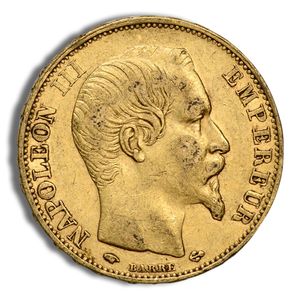
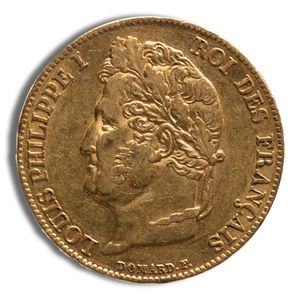
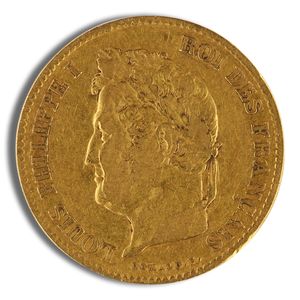
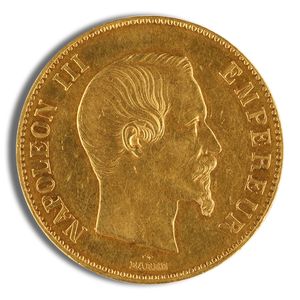
The obverse of the Leopold II 20 Francs features a right-facing portrait of King Leopold II, rendered with fine engraving detail typical of late nineteenth century European coinage. The inscription "LEOPOLD II ROI DES BELGES," meaning Leopold II King of the Belgians, runs along the periphery, clearly identifying both the sovereign and the issuing nation. The portrait style reflects the academic engraving conventions of the Royal Belgian Mint during this period, with controlled relief and precise detailing in the king's facial features and hair.
The reverse carries the crowned Belgian lion flanked by the denomination "20 FRANCS" along with the date of issue. The composition is balanced and heraldic in character, consistent with the national symbolism used across Belgian coinage throughout the nineteenth century. Mint marks and engraver's initials appear on certain issues within the series, providing collectors with additional attribution points. The coin's overall aesthetic is classic European regal coinage, refined without being ornate.
Fractional Size and Accessibility
At 0.1867 troy ounces, the Belgium Gold 20 Francs occupies the traditional fractional gold tier that defined Latin Monetary Union coinage. This format provides meaningful gold exposure in a compact, historically familiar denomination that is easy to handle, store, and trade individually. For buyers building a position in fractional gold or those who prefer acquiring smaller quantities over time, the 20 Franc size strikes a practical balance between gold content and per-unit cost.
The fractional format also makes these coins accessible to a wider range of buyers compared to full ounce products. The per-coin price point is lower than larger format gold, which allows buyers to allocate gold purchases more precisely based on their preferences and budget.
Authenticity and Product Integrity
Late nineteenth century European gold coinage operates within well-established authentication frameworks, with the Leopold II 20 Francs being a widely studied and documented series. The coin's specifications, including its 6.45 gram gross weight and .900 fine gold content, conform to the Latin Monetary Union standard, which provides a clear baseline for verification. Authentic examples carry consistent diameter, reeding, and weight characteristics that are straightforward to assess using standard numismatic tools.
We verify products for authenticity, weight, and purity before they reach our customers. Our authorized dealer relationships with both PCGS and NGC reflect our commitment to working within established grading and authentication networks, which is particularly relevant for coins like these that occupy the intersection between the numismatic and bullion markets. Buyers who prefer third-party certified examples can explore graded options, though raw coins in the AU range from this series are widely traded and well understood by experienced dealers.
Condition and Packaging
AU (About Uncirculated) describes a coin that retains the vast majority of its original mint luster, with only the slightest high-point wear from limited handling or circulation. At this grade level, design details remain sharp and the coin's surface is visually appealing, with perhaps a trace of friction on the highest relief points of the portrait or reverse devices. The "plus" designation reflects examples that sit toward the upper end of the AU range, exhibiting stronger luster and fewer contact marks than a typical AU piece.
Because this product is offered as a random year within the 1867 to 1882 range, the specific date and any associated mint marks will vary. Individual coins ship in protective plastic flips to preserve their condition in transit. We do not guarantee specific dates or varieties within the series, and the date you receive will reflect current inventory allocation. Buyers focused on a specific year should contact us prior to ordering.
Pricing and Market Factors
Pricing for the Belgium Gold 20 Francs moves in direct relation to the current spot price of gold, with the per-coin price reflecting the coin's 0.1867 troy ounce gold content plus a market-driven premium. Premiums on nineteenth century European gold coins are shaped by a combination of factors, including condition grade, series collectibility, overall market demand for fractional gold, and the relative liquidity of LMU-format coins within the broader bullion market.
Compared to modern fractional bullion coins, historical 20 Franc pieces sometimes carry slightly elevated premiums due to their age, numismatic interest, and the added sourcing complexity of secondary market acquisition. However, because the LMU 20 Franc series is so widely produced and well documented, these coins tend to trade with more pricing predictability than obscure numismatic issues. Our pricing reflects real-time spot conditions and is structured to provide clarity rather than obscure the relationship between metal value and total cost.
Selling and Liquidity
The Belgium Gold 20 Francs, along with its LMU-equivalent counterparts from France, Italy, and Switzerland, represents one of the most widely traded categories of nineteenth century gold coinage globally. The standardized weight and purity specification means dealers, auction houses, and refiners across multiple countries are familiar with the coin and its metal content, which supports consistent resale recognition. Coins in AU condition command additional attention from buyers who appreciate the numismatic premium over spot that well-preserved circulated gold can carry.
We operate a two-way market that supports both buying and selling within the same platform, which means customers can evaluate resale conditions before committing to a purchase rather than discovering liquidity considerations only after the fact. Understanding the bid side of the market alongside the ask price provides a more complete picture of the real cost of ownership for any gold product, including historical series like this one.
Why Buy Belgium Gold 20 Francs (Leopold II)?
The Leopold II 20 Francs offer something that modern fractional gold coins cannot replicate: a direct material connection to a functioning nineteenth century monetary system. These coins circulated as real money within a multinational currency framework, giving them historical weight that purely numismatic commemoratives or modern bullion fractionals lack. For buyers who value historical context alongside gold content, that combination is genuinely distinctive.
From a practical standpoint, the .900 gold purity and 0.1867 ounce weight follow the LMU standard that is well understood by dealers and refiners worldwide. The coin's recognizability within the global numismatic and precious metals trade supports pricing transparency and consistent resale interest. AU examples also tend to attract buyers from both the collector and bullion sides of the market, which broadens the pool of potential future buyers compared to lower-grade circulated examples.
Why Buy from Bullion Standard?
We have been operating in the precious metals market since 2010, and our approach has remained consistent throughout: straightforward pricing, authentic products, and a buying and selling experience built around trust rather than pressure. Our A rating with the Better Business Bureau, membership in the American Numismatic Association and the National Coin and Bullion Association, and authorized dealer status with both PCGS and NGC reflect the standards we hold ourselves to across every product category, including historical European gold like this series.
Historical gold coins sourced from the secondary market benefit from the same verification standards we apply across our entire catalog. We operate a competitive two-way market, which means customers can evaluate current buyback pricing before completing a purchase and plan accordingly. That transparency is central to how we operate, and it is particularly meaningful for coins that sit at the intersection of the bullion and numismatic markets where pricing can be less straightforward than with standard modern bullion products.
Get Near-Spot Pricing with Bullion Standard Pro
Bullion Standard Pro gives members access to live, executable wholesale bid and ask pricing across the precious metals catalog, including historical gold coins like the Belgium 20 Francs. For a coin that trades at the intersection of the numismatic and bullion markets, having visibility into real-time wholesale pricing and current bid levels provides meaningful context that standard retail listings alone do not offer. Members can also view real-time portfolio valuations based on current wholesale bid prices rather than estimated retail values, which produces a more realistic picture of actual liquidation value.
The platform's product research and comparison tools allow members to evaluate premiums, bid/ask spreads, and historical premium trends across individual products, including fractional gold coins within this category. Rather than relying on general market assumptions, Pro members can assess how a specific product is trading at the wholesale level and how that compares to historical norms. For buyers who want to move beyond surface-level pricing and develop a clearer understanding of market conditions, Bullion Standard Pro is designed to support exactly that kind of informed decision-making.
Flexible and Secure Payment Options
We support a broad range of payment methods to make the purchasing process straightforward and secure regardless of how you prefer to transact. Accepted payment options include Visa, Mastercard, American Express, and Discover, along with PayPal, bank-connected payments through Plaid, wire transfer, paper check, and cryptocurrency payments processed through BitPay. Each method is integrated with secure transaction handling to protect your purchase from checkout through fulfillment.
Volume Discount Pricing
Orders paid by debit card, credit card, and PayPal are an item's full
list
price
and receive no discount. Orders paid by cryptocurrency receive a 3%
discount
from an item's full list price. Orders paid by eCheck (ACH), paper
check,
and
bank wire receive a 4% discount from an item's full list price.
In Stock
Ships within 1 business day of cleared payment
Select Your Quantity
For Non-Members:
Free shipping on orders
$497+
.
PRO
Pro Member Delivery:
$23.97 flat-rate, true
wholesale pricing. Free shipping on orders
$10,000+.
Product ID: BST-00099767D1
Specifications
Random Year Status
Random Year
Precious Metal Type
Gold
Bullion Coin Type
Franc
Format
Coin
Country of Origin
Belgium
Brand/Mint
Royal Belgian Mint
Mint Mark
Various
Purity
0.9
Weight
0.1867 oz
Thickness (mm)
1.3
mm
Diameter (mm)
21.4
mm
Grade
AU
Product Details
Overview of Belgium Gold 20 Francs (Leopold II)
Belgium's gold 20 Francs struck during the reign of Leopold II represents one of the most recognizable Latin Monetary Union coins from the late nineteenth century. Struck between 1867 and 1882, these coins contain 0.1867 troy ounces of gold at .900 purity, consistent with the LMU standard that allowed for broad commercial circulation across member nations. We carry these coins in AU (About Uncirculated) condition, sourced across various mint years within the series, making them an appealing option for buyers who prioritize gold content and historical character over date-specific collecting.
History and Background
The Latin Monetary Union, established in 1865, created a standardized monetary framework among Belgium, France, Italy, and Switzerland, later expanded to include additional nations. The 20 Franc gold piece became the workhorse denomination of this system, with each member nation issuing coins to a shared weight and fineness specification. Belgium's participation produced a series of 20 Franc coins under both Leopold I and Leopold II, with the Leopold II issues spanning from 1867 through 1882.
Leopold II ascended to the Be…
Overview of Belgium Gold 20 Francs (Leopold II)
Belgium's gold 20 Francs struck during the reign of Leopold II represents one of the most recognizable Latin Monetary Union coins from the late nineteenth century. Struck between 1867 and 1882, these coins contain 0.1867 troy ounces of gold at .900 purity, consistent with the LMU standard that allowed for broad commercial circulation across member nations. We carry these coins in AU (About Uncirculated) condition, sourced across various mint years within the series, making them an appealing option for buyers who prioritize gold content and historical character over date-specific collecting.
History and Background
The Latin Monetary Union, established in 1865, created a standardized monetary framework among Belgium, France, Italy, and Switzerland, later expanded to include additional nations. The 20 Franc gold piece became the workhorse denomination of this system, with each member nation issuing coins to a shared weight and fineness specification. Belgium's participation produced a series of 20 Franc coins under both Leopold I and Leopold II, with the Leopold II issues spanning from 1867 through 1882.
Leopold II ascended to the Belgian throne in 1865 and oversaw a period of significant industrial and colonial expansion. The gold 20 Francs issued under his reign were struck for active monetary use, circulating across borders within the LMU framework rather than serving as commemoratives or collector pieces. This broad circulation history gives the series a practical monetary character that distinguishes it from later numismatic issues.
The coins were minted in Brussels at the Royal Belgian Mint, an institution with centuries of production history. During the LMU era, Belgian coinage adhered strictly to the union's technical standards, ensuring interchangeability with French Napoleons, Swiss Vreneli issues, and other 20 Franc equivalents of the period. This uniformity is a defining characteristic of the series and contributes to the coin's continued recognition in global numismatic and precious metals markets.
Design and Aesthetics
The obverse of the Leopold II 20 Francs features a right-facing portrait of King Leopold II, rendered with fine engraving detail typical of late nineteenth century European coinage. The inscription "LEOPOLD II ROI DES BELGES," meaning Leopold II King of the Belgians, runs along the periphery, clearly identifying both the sovereign and the issuing nation. The portrait style reflects the academic engraving conventions of the Royal Belgian Mint during this period, with controlled relief and precise detailing in the king's facial features and hair.
The reverse carries the crowned Belgian lion flanked by the denomination "20 FRANCS" along with the date of issue. The composition is balanced and heraldic in character, consistent with the national symbolism used across Belgian coinage throughout the nineteenth century. Mint marks and engraver's initials appear on certain issues within the series, providing collectors with additional attribution points. The coin's overall aesthetic is classic European regal coinage, refined without being ornate.
Fractional Size and Accessibility
At 0.1867 troy ounces, the Belgium Gold 20 Francs occupies the traditional fractional gold tier that defined Latin Monetary Union coinage. This format provides meaningful gold exposure in a compact, historically familiar denomination that is easy to handle, store, and trade individually. For buyers building a position in fractional gold or those who prefer acquiring smaller quantities over time, the 20 Franc size strikes a practical balance between gold content and per-unit cost.
The fractional format also makes these coins accessible to a wider range of buyers compared to full ounce products. The per-coin price point is lower than larger format gold, which allows buyers to allocate gold purchases more precisely based on their preferences and budget.
Authenticity and Product Integrity
Late nineteenth century European gold coinage operates within well-established authentication frameworks, with the Leopold II 20 Francs being a widely studied and documented series. The coin's specifications, including its 6.45 gram gross weight and .900 fine gold content, conform to the Latin Monetary Union standard, which provides a clear baseline for verification. Authentic examples carry consistent diameter, reeding, and weight characteristics that are straightforward to assess using standard numismatic tools.
We verify products for authenticity, weight, and purity before they reach our customers. Our authorized dealer relationships with both PCGS and NGC reflect our commitment to working within established grading and authentication networks, which is particularly relevant for coins like these that occupy the intersection between the numismatic and bullion markets. Buyers who prefer third-party certified examples can explore graded options, though raw coins in the AU range from this series are widely traded and well understood by experienced dealers.
Condition and Packaging
AU (About Uncirculated) describes a coin that retains the vast majority of its original mint luster, with only the slightest high-point wear from limited handling or circulation. At this grade level, design details remain sharp and the coin's surface is visually appealing, with perhaps a trace of friction on the highest relief points of the portrait or reverse devices. The "plus" designation reflects examples that sit toward the upper end of the AU range, exhibiting stronger luster and fewer contact marks than a typical AU piece.
Because this product is offered as a random year within the 1867 to 1882 range, the specific date and any associated mint marks will vary. Individual coins ship in protective plastic flips to preserve their condition in transit. We do not guarantee specific dates or varieties within the series, and the date you receive will reflect current inventory allocation. Buyers focused on a specific year should contact us prior to ordering.
Pricing and Market Factors
Pricing for the Belgium Gold 20 Francs moves in direct relation to the current spot price of gold, with the per-coin price reflecting the coin's 0.1867 troy ounce gold content plus a market-driven premium. Premiums on nineteenth century European gold coins are shaped by a combination of factors, including condition grade, series collectibility, overall market demand for fractional gold, and the relative liquidity of LMU-format coins within the broader bullion market.
Compared to modern fractional bullion coins, historical 20 Franc pieces sometimes carry slightly elevated premiums due to their age, numismatic interest, and the added sourcing complexity of secondary market acquisition. However, because the LMU 20 Franc series is so widely produced and well documented, these coins tend to trade with more pricing predictability than obscure numismatic issues. Our pricing reflects real-time spot conditions and is structured to provide clarity rather than obscure the relationship between metal value and total cost.
Selling and Liquidity
The Belgium Gold 20 Francs, along with its LMU-equivalent counterparts from France, Italy, and Switzerland, represents one of the most widely traded categories of nineteenth century gold coinage globally. The standardized weight and purity specification means dealers, auction houses, and refiners across multiple countries are familiar with the coin and its metal content, which supports consistent resale recognition. Coins in AU condition command additional attention from buyers who appreciate the numismatic premium over spot that well-preserved circulated gold can carry.
We operate a two-way market that supports both buying and selling within the same platform, which means customers can evaluate resale conditions before committing to a purchase rather than discovering liquidity considerations only after the fact. Understanding the bid side of the market alongside the ask price provides a more complete picture of the real cost of ownership for any gold product, including historical series like this one.
Why Buy Belgium Gold 20 Francs (Leopold II)?
The Leopold II 20 Francs offer something that modern fractional gold coins cannot replicate: a direct material connection to a functioning nineteenth century monetary system. These coins circulated as real money within a multinational currency framework, giving them historical weight that purely numismatic commemoratives or modern bullion fractionals lack. For buyers who value historical context alongside gold content, that combination is genuinely distinctive.
From a practical standpoint, the .900 gold purity and 0.1867 ounce weight follow the LMU standard that is well understood by dealers and refiners worldwide. The coin's recognizability within the global numismatic and precious metals trade supports pricing transparency and consistent resale interest. AU examples also tend to attract buyers from both the collector and bullion sides of the market, which broadens the pool of potential future buyers compared to lower-grade circulated examples.
Why Buy from Bullion Standard?
We have been operating in the precious metals market since 2010, and our approach has remained consistent throughout: straightforward pricing, authentic products, and a buying and selling experience built around trust rather than pressure. Our A rating with the Better Business Bureau, membership in the American Numismatic Association and the National Coin and Bullion Association, and authorized dealer status with both PCGS and NGC reflect the standards we hold ourselves to across every product category, including historical European gold like this series.
Historical gold coins sourced from the secondary market benefit from the same verification standards we apply across our entire catalog. We operate a competitive two-way market, which means customers can evaluate current buyback pricing before completing a purchase and plan accordingly. That transparency is central to how we operate, and it is particularly meaningful for coins that sit at the intersection of the bullion and numismatic markets where pricing can be less straightforward than with standard modern bullion products.
Get Near-Spot Pricing with Bullion Standard Pro
Bullion Standard Pro gives members access to live, executable wholesale bid and ask pricing across the precious metals catalog, including historical gold coins like the Belgium 20 Francs. For a coin that trades at the intersection of the numismatic and bullion markets, having visibility into real-time wholesale pricing and current bid levels provides meaningful context that standard retail listings alone do not offer. Members can also view real-time portfolio valuations based on current wholesale bid prices rather than estimated retail values, which produces a more realistic picture of actual liquidation value.
The platform's product research and comparison tools allow members to evaluate premiums, bid/ask spreads, and historical premium trends across individual products, including fractional gold coins within this category. Rather than relying on general market assumptions, Pro members can assess how a specific product is trading at the wholesale level and how that compares to historical norms. For buyers who want to move beyond surface-level pricing and develop a clearer understanding of market conditions, Bullion Standard Pro is designed to support exactly that kind of informed decision-making.
Flexible and Secure Payment Options
We support a broad range of payment methods to make the purchasing process straightforward and secure regardless of how you prefer to transact. Accepted payment options include Visa, Mastercard, American Express, and Discover, along with PayPal, bank-connected payments through Plaid, wire transfer, paper check, and cryptocurrency payments processed through BitPay. Each method is integrated with secure transaction handling to protect your purchase from checkout through fulfillment.
This website uses cookies for analytics and to deliver personalized content. By continuing to
use our site, you acknowledge that you have read and agree to our Privacy Policy and Cookie
Policy.
Current Quantities Available
Unfortunately, we only have 0
of
this item in
stock.
Please call us at (833) 278-4653
or email us at support@bullionstandard.com
if you wish to purchase a larger quantity than what is available on our website.
We can often locate additional quantities.


 (833) 278-4653


.png)