The 10 oz palladium bar is one of the more substantial formats available in the palladium market, offering a meaningful concentration of metal in a compact and standardized form. Each bar carries .9995 fine palladium, placing it among the highest purity levels produced by recognized refineries worldwide. These bars ship sealed within an assay card, which confirms the metal's weight and purity and serves as a tamper-evident guarantee of authenticity.
Because these are sold as random brand, the specific refinery varies, but every bar we carry meets the same fundamental standard: .9995 purity, 10 troy ounces of palladium, and assay-certified packaging. Buyers focused on metal content over brand identity will find this format straightforward and efficient.
Palladium was discovered in 1803 by English chemist William Hyde Wollaston, who named the element after the asteroid Pallas. For much of the 20th century, palladium remained an industrial and laboratory metal with limited visibility in the investment market. Its bullion presence expanded significantly during the 1990s and early 2000s as automotiv
…The 10 oz palladium bar is one of the more substantial formats available in the palladium market, offering a meaningful concentration of metal in a compact and standardized form. Each bar carries .9995 fine palladium, placing it among the highest purity levels produced by recognized refineries worldwide. These bars ship sealed within an assay card, which confirms the metal's weight and purity and serves as a tamper-evident guarantee of authenticity.
Because these are sold as random brand, the specific refinery varies, but every bar we carry meets the same fundamental standard: .9995 purity, 10 troy ounces of palladium, and assay-certified packaging. Buyers focused on metal content over brand identity will find this format straightforward and efficient.
Palladium was discovered in 1803 by English chemist William Hyde Wollaston, who named the element after the asteroid Pallas. For much of the 20th century, palladium remained an industrial and laboratory metal with limited visibility in the investment market. Its bullion presence expanded significantly during the 1990s and early 2000s as automotive demand, particularly for catalytic converters, began driving sustained interest from industrial buyers and eventually from the broader investment community.
The 10 oz bar format has roots in the refinery tradition of producing larger denomination bars to serve wholesale and institutional buyers. As palladium gained traction with individual buyers, refineries extended their product lines to include bar sizes that balanced accessibility with meaningful weight. Today, bars at this size come from a range of respected global producers, including Swiss, Canadian, and American refineries that have long established their credibility in the precious metals market.
The palladium market remains relatively small compared to gold and silver, which gives the 10 oz format a distinct character. Buyers at this weight are typically experienced with precious metals and understand the supply dynamics that distinguish palladium from other metals.
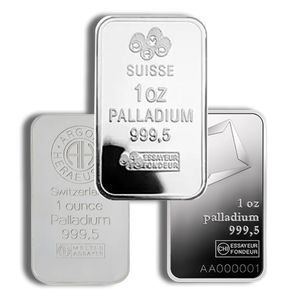
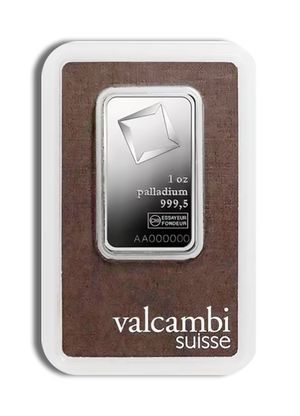
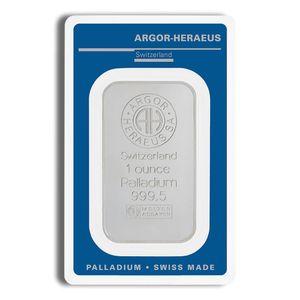
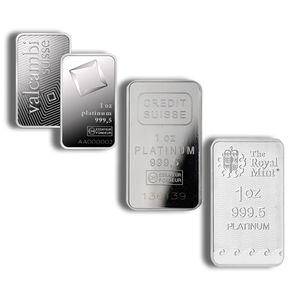
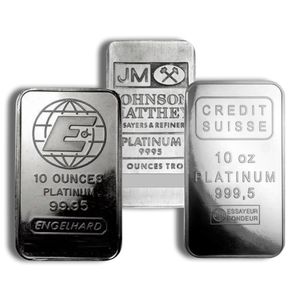
Palladium bars in this format follow the refined, utilitarian design language common across the broader refinery bar market. The obverse typically features the refinery's logo or brand name, the bar's weight stated as 10 troy ounces or 311.04 grams, and the purity designation of .9995 fine palladium, all stamped or engraved directly into the bar's surface. Because these are random brand products, exact design elements vary depending on the producing refinery, but the essential identifying information remains consistent across all bars.
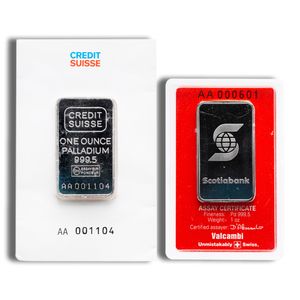
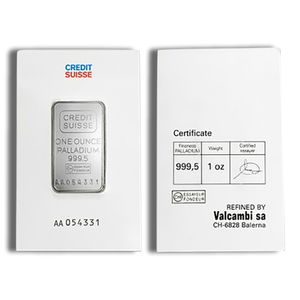
The assay card adds a layer of presentation that distinguishes these bars from loose bullion. The card itself is typically printed with authentication details and secured with tamper-evident packaging, keeping the bar in pristine condition from the refinery forward. The overall visual impression is clean and professional, with an emphasis on precision and legibility rather than decorative design.
Each bar is sealed within an assay card at the time of production, providing a direct line of verification from the refinery to the end buyer. The assay packaging includes certifications of weight and purity, confirming that each bar meets the .9995 fine palladium standard. This packaging also protects the bar from tampering during transit and storage, which adds a meaningful layer of confidence for buyers who intend to hold the metal long-term.
We verify authenticity, weight, and purity for every product we handle before it reaches a customer. Our sourcing draws from established refineries and reputable distributors with recognized standing in the wholesale precious metals market. Palladium at this purity level is also testable through standard verification methods, including XRF analysis, which gives buyers additional reassurance when holding or eventually reselling.
These bars are sold in new condition, sealed within their original assay card packaging. The assay card enclosure serves as both a condition statement and a verification document, ensuring the bar arrives exactly as it left the refinery. Buyers receive the bar still sealed, and we strongly recommend keeping the assay card intact, as breaking the seal can affect perception and resale considerations in certain market contexts.
For individual purchases, the bar ships within the sealed assay card, typically cushioned within protective packaging appropriate for its weight. Because palladium bars at this size are produced in smaller runs than gold or silver equivalents, standard tube or monster box configurations do not generally apply. Shipment packaging is selected to ensure the bar arrives securely and in the condition it was sourced.
As a product that may be sourced from the secondary market, minor surface marks or handling signs could be present on the bar itself, though the assay card typically minimizes this possibility for new inventory. Any such characteristics do not affect the metal content, weight, or purity of the bar.
Palladium pricing is tied directly to the real-time spot price of palladium, which itself reflects global industrial demand, mine supply, and macroeconomic conditions. Because palladium is traded in thinner volumes than gold or silver, its spot price can move more sharply in response to changes in supply or demand, which buyers at this weight should factor into their understanding of the market.
The premium on a 10 oz palladium bar reflects production costs, refinery branding where applicable, and the assay card packaging. Larger bar formats like this one often carry tighter per-ounce premiums compared to smaller fractional sizes, which makes the 10 oz format attractive to buyers looking to maximize metal content relative to total cost. Our pricing is updated continuously to reflect current market conditions, with no hidden markups layered on top of the displayed price.
Palladium bars at .9995 purity are recognized and accepted within the wholesale precious metals market. The assay card packaging supports resale by providing documented confirmation of the bar's authenticity, weight, and purity, which can simplify the transaction process when selling through dealers or refineries. The 10 oz size occupies a practical position in the market, large enough to be efficient for dealers but not so large that it limits the potential buyer pool.
We operate a two-way market that allows customers to both purchase and sell palladium within the same ecosystem. By offering competitive buyback pricing alongside purchase pricing, we give buyers a clearer picture of true cost of ownership before they commit to a transaction. Liquidity in palladium is a real consideration, and we believe buyers benefit from understanding the bid/ask spread on a product before the purchase is made rather than only when it is time to sell.
The 10 oz format offers a meaningful concentration of palladium in a single, assay-certified package. For buyers who have already decided to hold palladium, this size balances per-ounce efficiency with the authentication and protection that comes with sealed assay card packaging. The random brand structure keeps the focus on metal content rather than refinery premiums, which suits buyers prioritizing substance over branding.
Palladium at .9995 purity meets the standard recognized across global refinery and dealer networks, which supports broad acceptance when it comes time to transact. The combination of standardized purity, meaningful weight, and verified packaging makes this a functionally solid choice for experienced buyers building a palladium position in physical form.
We have spent over a decade building a reputation grounded in transparency, accurate pricing, and straightforward transactions. Every product we sell, including these 10 oz palladium bars, is verified for authenticity, weight, and purity before it reaches a customer. Our pricing reflects real-time market conditions and is structured to give buyers a clear view of what they are paying and why, without unnecessary complexity buried in the checkout process.
Our A rating with the Better Business Bureau and active membership in both the American Numismatic Association and the National Coin and Bullion Association reflect the standards we hold ourselves to across every transaction. As an authorized dealer for PCGS and NGC, we bring that same commitment to authentication and integrity to the broader bullion market. Palladium buyers working with a less familiar metal deserve a dealer who understands how that market behaves, and we are equipped to support both the purchase and the eventual sale with the same level of professionalism.
Bullion Standard Pro gives members direct access to live, executable wholesale bid and ask pricing on palladium products, including bars at this size. Because palladium can move sharply relative to more liquid metals, having visibility into real wholesale pricing rather than estimated retail markups provides a material advantage for buyers who take the market seriously. Members also gain access to proprietary analytics covering premiums, bid/ask spreads, and liquidity metrics that help contextualize where a product sits relative to current market conditions.
Portfolio valuation through Pro uses live wholesale bid pricing rather than estimated retail values, which gives members a more realistic picture of what their palladium holdings are worth at any given moment. For a metal with palladium's pricing dynamics, that level of precision matters. Pro is designed to reduce information gaps and bring a level of market transparency to physical precious metals that has historically been difficult to access outside of institutional channels.
We support a wide range of payment methods to ensure the buying process is both convenient and secure. Customers can pay using Visa, Mastercard, American Express, or Discover, as well as PayPal, bank-connected payments through Plaid, wire transfer, paper check, or cryptocurrency through BitPay. Each option is supported with the same level of security and reliability, regardless of order size.
For larger palladium purchases at this weight, wire transfer is a common choice that allows buyers to move efficiently at the market price locked in at the time of order. Whatever method works best for your situation, the process is straightforward from start to fulfillment.
Volume Discount Pricing Orders paid by debit card, credit card, and PayPal are an item's full list price and receive no discount. Orders paid by cryptocurrency receive a 3% discount from an item's full list price. Orders paid by eCheck (ACH), paper check, and bank wire receive a 4% discount from an item's full list price.
| Quantity | (e)Check/Wire | Crypto | CC/PayPal |
|---|---|---|---|
| 1 - 2 | $13,658.33 | $13,942.88 | $14,227.42 |
| 3+ | $13,523.10 | $13,804.83 | $14,086.56 |
1+
|
$13,402.59 | $13,681.81 | $13,961.04 |
Buyback price:
$12,676.82
Product ID: BST-002269392D
| Precious Metal Type | Palladium |
|---|---|
| Format | Bar (Minted) |

| Brand/Mint | Various |
| Purity | 0.9995 |
| Weight | 10 oz |
| Thickness (mm) | 6.2 mm |
The 10 oz palladium bar is one of the more substantial formats available in the palladium market, offering a meaningful concentration of metal in a compact and standardized form. Each bar carries .9995 fine palladium, placing it among the highest purity levels produced by recognized refineries worldwide. These bars ship sealed within an assay card, which confirms the metal's weight and purity and serves as a tamper-evident guarantee of authenticity.
Because these are sold as random brand, the specific refinery varies, but every bar we carry meets the same fundamental standard: .9995 purity, 10 troy ounces of palladium, and assay-certified packaging. Buyers focused on metal content over brand identity will find this format straightforward and efficient.
Palladium was discovered in 1803 by English chemist William Hyde Wollaston, who named the element after the asteroid Pallas. For much of the 20th century, palladium remained an industrial and laboratory metal with limited visibility in the investment market. Its bullion presence expanded significantly during the 1990s and early 2000s as automotiv
…The 10 oz palladium bar is one of the more substantial formats available in the palladium market, offering a meaningful concentration of metal in a compact and standardized form. Each bar carries .9995 fine palladium, placing it among the highest purity levels produced by recognized refineries worldwide. These bars ship sealed within an assay card, which confirms the metal's weight and purity and serves as a tamper-evident guarantee of authenticity.
Because these are sold as random brand, the specific refinery varies, but every bar we carry meets the same fundamental standard: .9995 purity, 10 troy ounces of palladium, and assay-certified packaging. Buyers focused on metal content over brand identity will find this format straightforward and efficient.
Palladium was discovered in 1803 by English chemist William Hyde Wollaston, who named the element after the asteroid Pallas. For much of the 20th century, palladium remained an industrial and laboratory metal with limited visibility in the investment market. Its bullion presence expanded significantly during the 1990s and early 2000s as automotive demand, particularly for catalytic converters, began driving sustained interest from industrial buyers and eventually from the broader investment community.
The 10 oz bar format has roots in the refinery tradition of producing larger denomination bars to serve wholesale and institutional buyers. As palladium gained traction with individual buyers, refineries extended their product lines to include bar sizes that balanced accessibility with meaningful weight. Today, bars at this size come from a range of respected global producers, including Swiss, Canadian, and American refineries that have long established their credibility in the precious metals market.
The palladium market remains relatively small compared to gold and silver, which gives the 10 oz format a distinct character. Buyers at this weight are typically experienced with precious metals and understand the supply dynamics that distinguish palladium from other metals.
Palladium bars in this format follow the refined, utilitarian design language common across the broader refinery bar market. The obverse typically features the refinery's logo or brand name, the bar's weight stated as 10 troy ounces or 311.04 grams, and the purity designation of .9995 fine palladium, all stamped or engraved directly into the bar's surface. Because these are random brand products, exact design elements vary depending on the producing refinery, but the essential identifying information remains consistent across all bars.
The assay card adds a layer of presentation that distinguishes these bars from loose bullion. The card itself is typically printed with authentication details and secured with tamper-evident packaging, keeping the bar in pristine condition from the refinery forward. The overall visual impression is clean and professional, with an emphasis on precision and legibility rather than decorative design.
Each bar is sealed within an assay card at the time of production, providing a direct line of verification from the refinery to the end buyer. The assay packaging includes certifications of weight and purity, confirming that each bar meets the .9995 fine palladium standard. This packaging also protects the bar from tampering during transit and storage, which adds a meaningful layer of confidence for buyers who intend to hold the metal long-term.
We verify authenticity, weight, and purity for every product we handle before it reaches a customer. Our sourcing draws from established refineries and reputable distributors with recognized standing in the wholesale precious metals market. Palladium at this purity level is also testable through standard verification methods, including XRF analysis, which gives buyers additional reassurance when holding or eventually reselling.
These bars are sold in new condition, sealed within their original assay card packaging. The assay card enclosure serves as both a condition statement and a verification document, ensuring the bar arrives exactly as it left the refinery. Buyers receive the bar still sealed, and we strongly recommend keeping the assay card intact, as breaking the seal can affect perception and resale considerations in certain market contexts.
For individual purchases, the bar ships within the sealed assay card, typically cushioned within protective packaging appropriate for its weight. Because palladium bars at this size are produced in smaller runs than gold or silver equivalents, standard tube or monster box configurations do not generally apply. Shipment packaging is selected to ensure the bar arrives securely and in the condition it was sourced.
As a product that may be sourced from the secondary market, minor surface marks or handling signs could be present on the bar itself, though the assay card typically minimizes this possibility for new inventory. Any such characteristics do not affect the metal content, weight, or purity of the bar.
Palladium pricing is tied directly to the real-time spot price of palladium, which itself reflects global industrial demand, mine supply, and macroeconomic conditions. Because palladium is traded in thinner volumes than gold or silver, its spot price can move more sharply in response to changes in supply or demand, which buyers at this weight should factor into their understanding of the market.
The premium on a 10 oz palladium bar reflects production costs, refinery branding where applicable, and the assay card packaging. Larger bar formats like this one often carry tighter per-ounce premiums compared to smaller fractional sizes, which makes the 10 oz format attractive to buyers looking to maximize metal content relative to total cost. Our pricing is updated continuously to reflect current market conditions, with no hidden markups layered on top of the displayed price.
Palladium bars at .9995 purity are recognized and accepted within the wholesale precious metals market. The assay card packaging supports resale by providing documented confirmation of the bar's authenticity, weight, and purity, which can simplify the transaction process when selling through dealers or refineries. The 10 oz size occupies a practical position in the market, large enough to be efficient for dealers but not so large that it limits the potential buyer pool.
We operate a two-way market that allows customers to both purchase and sell palladium within the same ecosystem. By offering competitive buyback pricing alongside purchase pricing, we give buyers a clearer picture of true cost of ownership before they commit to a transaction. Liquidity in palladium is a real consideration, and we believe buyers benefit from understanding the bid/ask spread on a product before the purchase is made rather than only when it is time to sell.
The 10 oz format offers a meaningful concentration of palladium in a single, assay-certified package. For buyers who have already decided to hold palladium, this size balances per-ounce efficiency with the authentication and protection that comes with sealed assay card packaging. The random brand structure keeps the focus on metal content rather than refinery premiums, which suits buyers prioritizing substance over branding.
Palladium at .9995 purity meets the standard recognized across global refinery and dealer networks, which supports broad acceptance when it comes time to transact. The combination of standardized purity, meaningful weight, and verified packaging makes this a functionally solid choice for experienced buyers building a palladium position in physical form.
We have spent over a decade building a reputation grounded in transparency, accurate pricing, and straightforward transactions. Every product we sell, including these 10 oz palladium bars, is verified for authenticity, weight, and purity before it reaches a customer. Our pricing reflects real-time market conditions and is structured to give buyers a clear view of what they are paying and why, without unnecessary complexity buried in the checkout process.
Our A rating with the Better Business Bureau and active membership in both the American Numismatic Association and the National Coin and Bullion Association reflect the standards we hold ourselves to across every transaction. As an authorized dealer for PCGS and NGC, we bring that same commitment to authentication and integrity to the broader bullion market. Palladium buyers working with a less familiar metal deserve a dealer who understands how that market behaves, and we are equipped to support both the purchase and the eventual sale with the same level of professionalism.
Bullion Standard Pro gives members direct access to live, executable wholesale bid and ask pricing on palladium products, including bars at this size. Because palladium can move sharply relative to more liquid metals, having visibility into real wholesale pricing rather than estimated retail markups provides a material advantage for buyers who take the market seriously. Members also gain access to proprietary analytics covering premiums, bid/ask spreads, and liquidity metrics that help contextualize where a product sits relative to current market conditions.
Portfolio valuation through Pro uses live wholesale bid pricing rather than estimated retail values, which gives members a more realistic picture of what their palladium holdings are worth at any given moment. For a metal with palladium's pricing dynamics, that level of precision matters. Pro is designed to reduce information gaps and bring a level of market transparency to physical precious metals that has historically been difficult to access outside of institutional channels.
We support a wide range of payment methods to ensure the buying process is both convenient and secure. Customers can pay using Visa, Mastercard, American Express, or Discover, as well as PayPal, bank-connected payments through Plaid, wire transfer, paper check, or cryptocurrency through BitPay. Each option is supported with the same level of security and reliability, regardless of order size.
For larger palladium purchases at this weight, wire transfer is a common choice that allows buyers to move efficiently at the market price locked in at the time of order. Whatever method works best for your situation, the process is straightforward from start to fulfillment.